
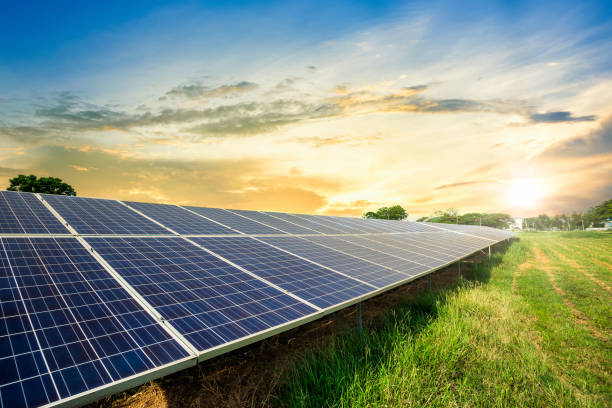

Harnessing the Power of the Sun: The Benefits of PV Solar Energy
As the world continues to grapple with the challenges of climate change, energy security, and sustainable development, photovoltaic (PV) solar energy has emerged as a beacon of hope. This clean, renewable, and abundant source of energy is revolutionizing the way we generate and consume power. In this blog post, we'll delve into the benefits of PV solar energy and explore why it's becoming an increasingly attractive option for individuals, businesses, and governments around the world.
What is PV Solar Energy?
PV solar energy is a technology that converts sunlight into electricity using photovoltaic cells. These cells are made from semiconducting materials like silicon, which release electrons when exposed to sunlight. The electrons are then collected and directed through an electrical circuit, generating electricity.
Benefits of PV Solar Energy
1. Renewable and Sustainable: PV solar energy is a renewable source of energy, meaning it's sustainable and won't run out. As long as the sun shines, we'll have access to this clean energy source.
2. Zero Emissions: PV solar energy generates electricity without emitting any greenhouse gases, pollutants, or hazardous waste. This makes it an attractive alternative to fossil fuels and a crucial component in the fight against climate change.
3. Energy Independence: With PV solar energy, individuals and businesses can generate their own electricity, reducing their reliance on the grid and enhancing energy security.
4. Lower Energy Bills: PV solar energy can significantly reduce energy bills, especially for those who consume most of their energy during the day. This is because solar energy is generated during the day, reducing the need for grid electricity.
5. Low Maintenance: PV solar panels require minimal maintenance and are designed to last for up to 30 years or more.
6. Job Creation and Economic Growth: The PV solar industry is creating new job opportunities and driving economic growth in countries around the world.
7. Government Incentives: Many governments offer incentives, such as tax credits and rebates, to encourage the adoption of PV solar energy.
Challenges and Future Outlook
While PV solar energy has made significant strides in recent years, there are still challenges to be addressed. These include:
• Intermittency: PV solar energy is an intermittent source of energy, meaning it's not always available when it's needed.
• Cost: While the cost of PV solar panels has decreased significantly in recent years, it can still be prohibitively expensive for some individuals and businesses.
• Energy Storage: The lack of cost-effective energy storage solutions can make it difficult to store excess energy generated by PV solar panels for use during periods of low sunlight.
Despite these challenges, the future of PV solar energy looks bright. Advances in technology are driving down costs, improving efficiency, and enhancing energy storage capabilities. As the world continues to transition towards a low-carbon economy, PV solar energy is poised to play an increasingly important role in the global energy mix.
Conclusion
PV solar energy is a clean, renewable, and sustainable source of energy that offers numerous benefits for individuals, businesses, and governments. While there are still challenges to be addressed, the future of PV solar energy looks promising. As we continue to innovate and improve this technology, we can expect to see even more widespread adoption and a significant reduction in our reliance on fossil fuels.